中国畜禽种业 ›› 2026, Vol. 22 ›› Issue (8): 19-31.doi: 10.19543/j.cnki.1673-4556.20260709.001cstr: 32418.14.j.cnki.1673-4556.20260709.001

• 遗传改良 • 上一篇    下一篇

中国肉牛遗传改良研究进展与未来展望:从“追赶”到“创新”的种业振兴之路

曹晓瑶1,3,5(), 李姣2, 王亭1,3, 熊兰玲1,3, 蔡向庭4, 冯思远4, 王泽昭1,3, 郑彩宏1, 陈燕1, 张路培1, 高雪1, 高会江1,3, 朱波1,3,4(), 李俊雅1,3,4()   

  1. 1. 中国农业科学院北京畜牧兽医研究所,北京 100193
    2. 全国畜牧总站,北京 100125
    3. 国家肉牛遗传评估中心,北京 100193
    4. 北方农牧业技术创新中心,内蒙古 呼和浩特 010111
    5. 延边大学,吉林 延吉 133000
  • 收稿日期:2026-04-07 出版日期:2026-08-26 发布日期:2026-07-31
  • 通讯作者: 朱波, 李俊雅 E-mail:cxy1163899369@163.com;zhubo@caas.com;lijunya@caas.cn
  • 作者简介:
    曹晓瑶(1999—),男,山东博兴人,博士研究生,研究方向:畜牧学,E-mail:
  • 基金资助:
    国家重点研发计划(2023YFD1300105); 吉林省聚力攻坚专项(2025-JLJLGJ); 河北省农业科技成果转化资金项目(2025JNZ); 通辽市“揭榜挂帅”项目(TL2024TW002)

Progress and prospects for genetic improvement of beef cattle in China: The pathway to revitalizing the seed industry from "catching up" to "innovation"

Xiaoyao Cao1,3,5(), Jiao Li2, Ting Wang1,3, Lanling Xiong1,3, Xiangting Cai4, Siyuan Feng4, Zezhao Wang1,3, Caihong Zheng1, Yan Chen1, Lupei Zhang1, Xue Gao1, Huijiang Gao1,3, Bo Zhu1,3,4(), Junya Li1,3,4()   

  1. 1. The Institute of Animal Sciences, CAAS, Beijing, 100193
    2. National Animal Husbandry Station, Beijing, 100125
    3. National Center of Beef Cattle Genetic Evaluation, Beijing, 100193
    4. Northern Agriculture and Livestock Husbandry Technology Innovation Center of CAAS, Hohhot, 010111, Inner Mongolia
    5. Yanbian University, Yanji, 133000, Jilin
  • Received:2026-04-07 Online:2026-08-26 Published:2026-07-31
  • Contact: Bo Zhu, Junya Li E-mail:cxy1163899369@163.com;zhubo@caas.com;lijunya@caas.cn

摘要:

肉牛产业是现代农业和畜牧种业的重要组成部分,与牛肉供给安全、居民消费升级和乡村产业振兴密切相关。遗传改良是提升肉牛生产效率、肉品质和种业竞争力的核心途径。本文结合近年来我国肉牛育种研究进展与产业实践,围绕遗传资源保护与评价、本品种持续选育、杂交创新与新品种(系)培育、分子育种技术应用及现代育种体系建设等方面进行系统梳理。总体来看,我国已形成较为丰富的牛遗传资源保护基础,地方黄牛品种在肉质、适应性和抗逆性等方面具有重要利用价值;以秦川牛、南阳牛、鲁西牛、延边牛等为代表的地方品种持续选育取得一定进展,夏南牛、延黄牛、辽育白牛和华西牛等自主培育品种逐步支撑国产种源供给;基因组选择、多组学整合、分子标记挖掘和智能化育种决策等技术正在加快向生产应用转化;以核心育种场、种公牛站和遗传评估体系为支撑的现代肉牛育种框架也已初步建立。与此同时,我国在核心种源持续创新、高质量表型数据积累、多性状综合选择、育种主体协同和技术产业化应用等方面仍存在短板。未来应围绕高质量表型与基因型数据积累、基因组与多组学信息融合、核心种源自主创制、产学研用协同机制完善和国家肉牛育种大数据平台建设等方向持续发力,以提升我国肉牛遗传改良效率和种业自主创新能力,为肉牛产业高质量发展与种业振兴提供支撑。

关键词: 肉牛, 遗传改良, 种质资源, 基因组选择, 育种体系, 种业振兴

Abstract:

The beef cattle industry is an important component of modern agriculture and livestock seed industry, and is closely associated with beef supply security, consumption upgrading, and rural industrial revitalization. Genetic improvement is a fundamental approach for improving production efficiency, beef quality, and seed industry competitiveness. Based on recent research progress and industrial practices in China, this review systematically summarizes the major advances in beef cattle genetic improvement from the perspectives of genetic resource conservation and evaluation, continuous selection of indigenous breeds, crossbreeding innovation and development of new breeds or lines, application of molecular breeding technologies, and construction of modern breeding systems. Overall, China has established a relatively rich foundation for cattle genetic resource conservation, and indigenous yellow cattle breeds show important value in meat quality, environmental adaptation, and stress resistance. Continuous selection of representative local breeds, including Qinchuan, Nanyang, Luxi, and Yanbian cattle, has achieved measurable progress, while independently developed breeds such as Xia'nan, Yanhuang, Liaoyu White, and Huaxi cattle have gradually strengthened domestic germplasm supply. Meanwhile, genomic selection, multi-omics integration, molecular marker discovery, and intelligent breeding decision-making are accelerating their transition from research to practical breeding. A modern beef cattle breeding framework supported by core breeding farms, bull stations, and national genetic evaluation systems has also been preliminarily established. However, several limitations remain, including insufficient continuous innovation of elite germplasm, inadequate accumulation of high-quality phenotypic data, incomplete multi-trait selection systems, weak coordination among breeding entities, and limited efficiency of technology transfer. Future efforts should focus on high-quality phenotypic and genotypic data accumulation, integration of genomic and multi-omics information, independent creation of elite germplasm, improvement of industry–university–research collaboration mechanisms, and construction of a national beef cattle breeding big data platform. These efforts will help improve the efficiency of beef cattle genetic improvement and support the revitalization of China's beef cattle seed industry.

Key words: Beef cattle, Genetic improvement, Germplasm resources, Genomic selection, Breeding system, Seed industry revitalization

中图分类号: 

  • S823

表1

2024年我国牛遗传资源保护体系关键数据"

序号NO. 指标Indicator 数值Value 说明Explanation
1 国家牛活体保种场 23个 活体保护基础
2 国家级保护区 2个 原产地保护
3 活体保种群存栏量 12314头 资源活体保存规模
4 国家家畜基因库牛品种数 117个 长期遗传材料保存
5 保存遗传材料总量 22.4万份 含精液、胚胎、体细胞
6 国家家养动物种质资源库牛品种数 78个 血样、组织样等系统保存
7 保存遗传物质总量 6.1万份 异地保存补充
8 2024年新增牛遗传资源 4个 天台牛等

表2

部分中国地方品种与引进品种肉品质关键指标对比"

项目

Items

品种

Variety

肌内脂肪含量

Intramuscular fat content/%

剪切力

Shear force

主要脂肪酸特点

Main fatty acid characteristics

风味物质前体

Flavor substance precursors

引进品种

Introduced variety

日本和牛[23] 16.92 ± 1.08 很低 单不饱和脂肪酸极高 氨基酸丰富
安格斯牛[24] 4.1~13.3 单不饱和脂肪酸高 谷氨酸含量较高
西门塔尔牛[25] 7.42 中等偏低 多不饱和脂肪酸相对较高 肌苷酸含量较高
利木赞牛[26] 1.7 ± 0.37 较高 饱和脂肪酸比例相对较高 数据较少,通常风味较淡

地方品种

Local variety

秦川牛[23] 13.38 ± 1.08 中等偏低 多不饱和脂肪酸/饱和脂肪酸比例良好 风味氨基酸种类丰富
南阳牛[23] 12.35 ± 1.22 中等 脂肪酸组成均衡 肌苷酸含量较高
鲁西牛[27] 14.75~20.80 中等偏低 部分优质个体大理石花纹较好,脂肪酸组成优良 风味前体物质沉积较好
延边牛[28] 9~16 中等 耐寒品种,脂肪沉积能力受季节影响 风味独特
蒙古牛[19] - 较高 多不饱和脂肪酸比例可能较高,但总脂肪少 风味独特

图1

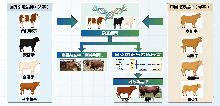
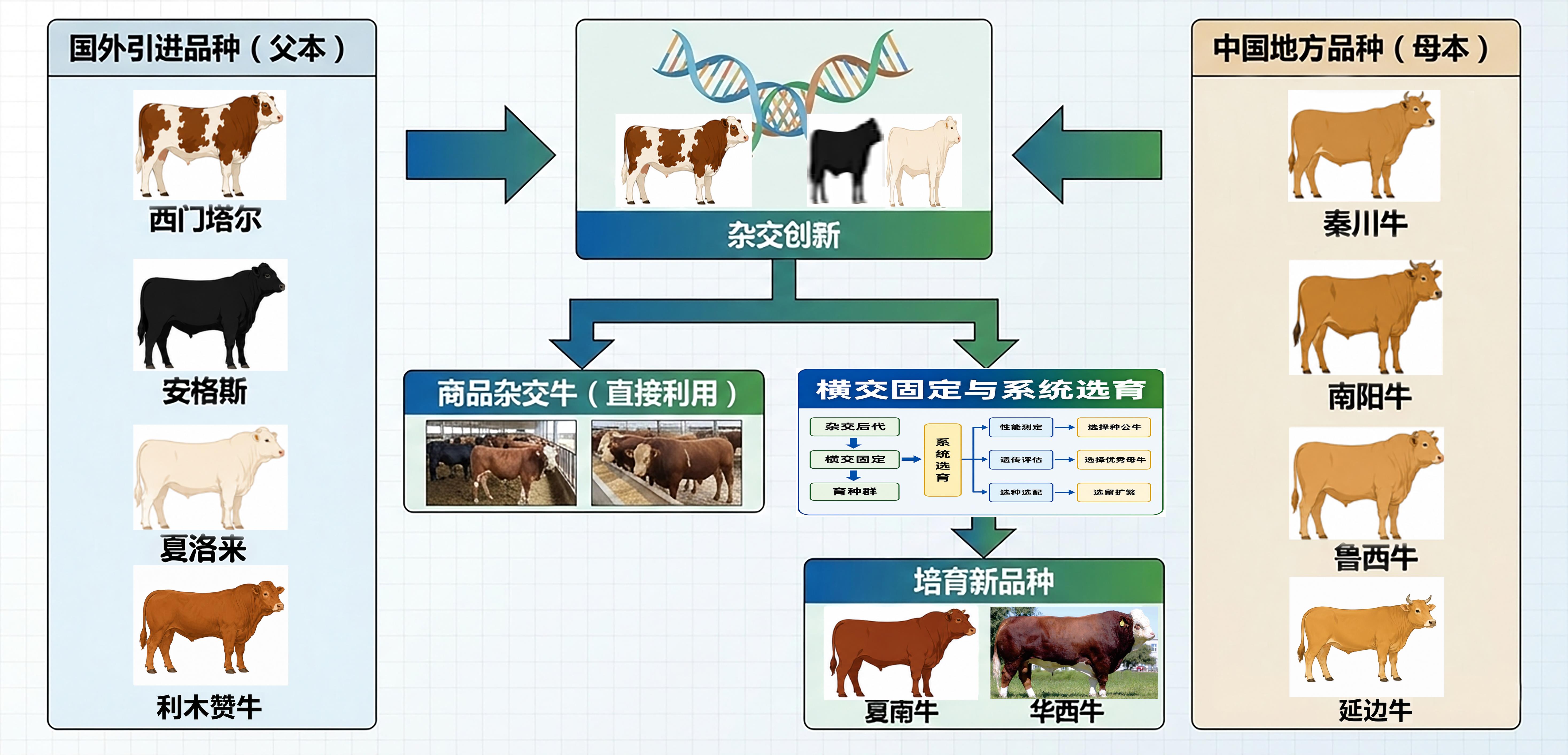
中国肉牛主要杂交改良与新品种培育模式示意图 注:图使用Processon绘制(https://www.processon.com/)。下图同。"

图2

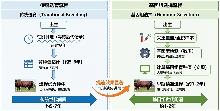
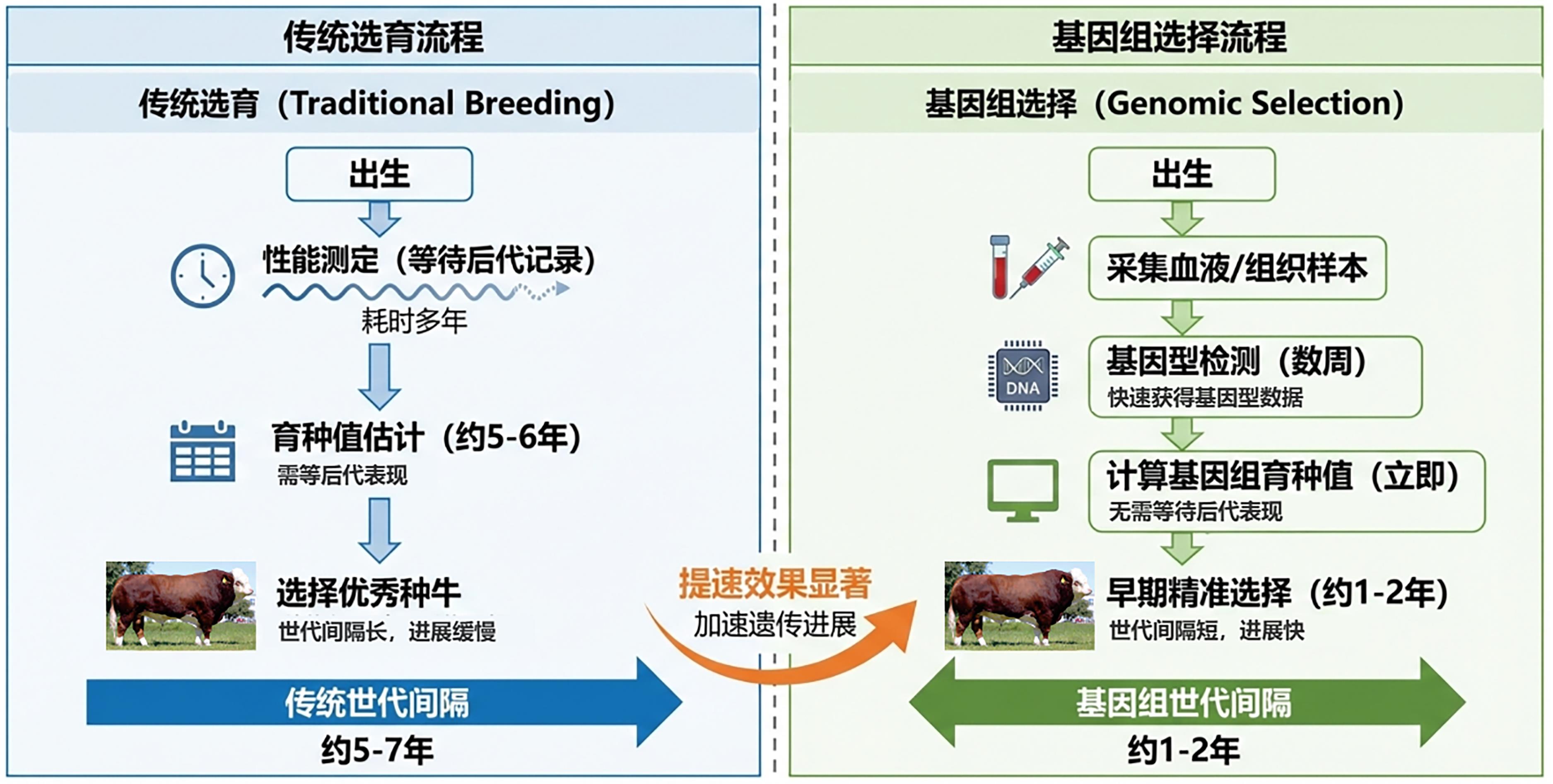
传统选育与基因组选择技术流程与世代间隔对比图"

表3

2024年我国肉牛育种与供种体系关键规模指标"

序号NO. 指标Indicator 数值Value
1 种肉牛场 311家
2 年末存栏量 34.6万头
3 种公牛站 51家
4 肉用种公牛(含乳肉兼用牛) 7515头
5 其中采精公牛 3340头
6 肉牛核心育种场 53家
7 核心种公牛站 5家
8 年生产肉牛冷冻精液 5069.6万剂
9 核心种公牛站年生产肉牛冷冻精液 1086.2万剂
10 核心站市场份额 34%

图3

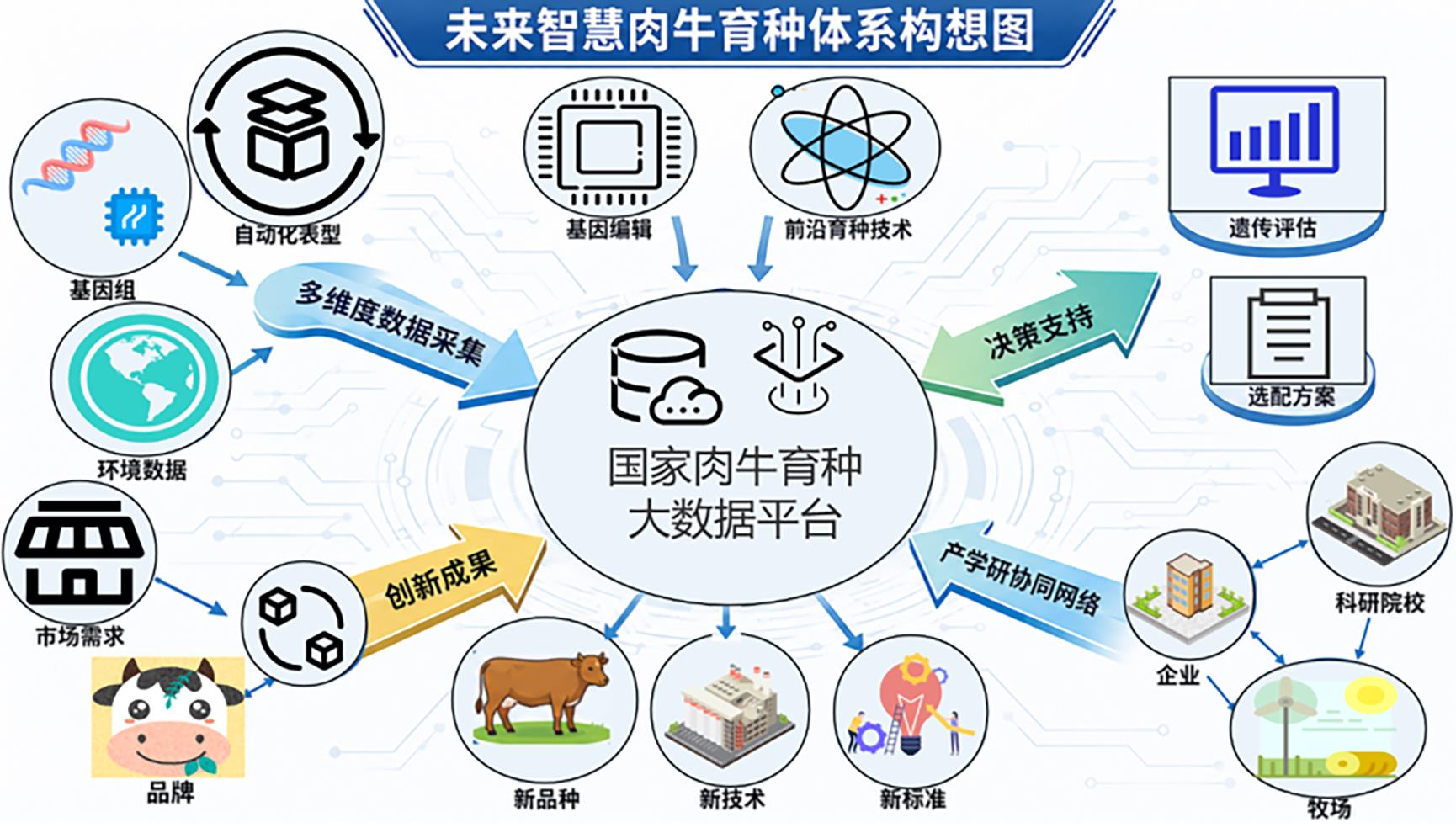
未来智慧肉牛育种体系构想图"

[1]
马卓, 李宏伟, 浦华. 肉牛培育品种遗传资源价值评估研究——以华西牛为例[J]. 中国畜牧杂志, 2025, 61(10): 116-121.
MA Z, LI H W, PU H. Evaluation on genetic resource value of beef cattle improved breeds: taking Huaxi cattle as an example[J]. Chinese Journal of Animal Science, 2025, 61(10): 116-121.
[2]
钞贺森, 田旭, 于晓华. 肉类消费结构、饲料安全和粮食安全——农业“供给侧改革”的一个参照系[J]. 农业现代化研究, 2017, 38(5): 737-745.
CHAO H S, TIAN X, YU X H. Meat consumption structure, feed security, and grain security: implication for the “supply-side reform” in agriculture[J]. Research of Agricultural Modernization, 2017, 38(5): 737-745.
[3]
志莉, 国晓丹, 俞英, 等. 中国黄牛育肥性能影响因素及分子机理研究进展[J]. 动物营养学报, 2025, 37(11): 7264-7275.
ZHI L, GUO X D, YU Y, et al. Research progress on influencing factors and molecular mechanisms of fattening performance in Chinese yellow cattle[J]. Chinese Journal of Animal Nutrition, 2025, 37(11): 7264-7275.
[4]
AN B X, XU L, XIA J W, et al. Multiple association analysis of loci and candidate genes that regulate body size at three growth stages in Simmental beef cattle[J]. BMC Genetics, 2020, 21(1): 32.
[5]
YIN H Q, FENG Y, WANG Y, et al. Genome-wide scans for selection signatures in Ningxia Angus cattle reveal genetic variants associated with economic and adaptive traits[J]. Animals, 2024, 15(1): 58.
[6]
REZENDE M P G, MALHADO C H M, BIFFANI S, et al. Heritability and genetic correlation of body weight and Kleiber ratio in Limousin and Charolais beef cattle breeds[J]. Animal, 2022, 16(5): 100528.
[7]
张天留, 葛菲, 朱波, 等. 肉牛种业科技创新发展现状与趋势分析[J]. 中国畜禽种业, 2022, 18(10): 5-16.
ZHANG T L, GE F, ZHU B, et al. Analysis on current situation and trend of technological innovation in beef cattle seed industry[J]. China livestock and poultry breeding, 2022, 18(10): 5-16.
[8]
全国肉牛遗传改良计划(2021—2035年)[J]. 畜牧产业, 2021(7): 16-19.
National beef cattle genetic improvement plan (2021-2035)[J]. Livestock industry, 2021(7): 16-19.
[9]
农业农村部种业管理司、全国畜牧总站. 中国畜禽种业发展报告2025[R]. 北京:农业农村部种业管理司、全国畜牧总站,2025.
Department of Seed Industry Management, Ministry of Agriculture and Rural Affairs, National Animal Husbandry Station. China livestock and poultry seed industry development report 2025[R]. Beijing: Department of Seed Industry Management, Ministry of Agriculture and Rural Affairs, National Animal Husbandry Station, 2025.
[10]
GARRICK D J. The nature, scope and impact of genomic prediction in beef cattle in the United States[J]. Genetics Selection Evolution, 2011, 43(1): 17.
[11]
BONIFAZI R, CALUS M P L, NAPEL J TEN, et al. Integration of beef cattle international pedigree and genomic estimated breeding values into national evaluations, with an application to the Italian Limousin population[J]. Genetics Selection Evolution, 2023, 55(1): 41.
[12]
JOHNSTON D J, TIER B, GRASER H U. Beef cattle breeding in Australia with genomics: opportunities and needs[J]. Animal Production Science, 2012, 52(3): 100-106.
[13]
ROWAN T N. Invited Review: genetic decision tools for increasing cow efficiency and sustainability in forage-based beef systems[J]. Applied Animal Science, 2022, 38(6): 660-670.
[14]
ZHAO Z D, NIU Q H, WU J Y, et al. Integrating multi-layered biological priors to improve genomic prediction accuracy in beef cattle[J]. Biology Direct, 2024, 19(1): 147.
[15]
MA H R, LI H W, GE F, et al. Improving genomic predictions in multi-breed cattle populations: a comparative analysis of BayesR and GBLUP models[J]. Genes, 2024, 15(2): 253.
[16]
WANG Y Q, ZHU B, WANG J, et al. Evaluation of genomic mating approach based on genetic algorithms for long-term selection in Huaxi cattle[J]. BMC Genomics, 2024, 25(1): 1140.
[17]
韩磊, 刁虹月, 何馨怡. 中国肉牛产业高质量发展的现实困境与政策路径[J]. 中国畜牧杂志, 2026, 62(4): 410-415.
HAN L, DIAO H Y, HE X Y. Realistic dilemmas and policy paths for high-quality development of China's beef cattle industry [J]. Chinese Journal of Animal Science, 2026, 62(4): 410-415.
[18]
李俊雅, 陈燕. 肉牛种业的昨天、今天和明天[J]. 中国畜牧业, 2021(14): 26-30.
LI J Y, CHEN Y. Yesterday, today and tomorrow of beef cattle seed industry[J]. China Animal Industry, 2021(14): 26-30.
[19]
国家畜禽遗传资源委员会. 中国畜禽遗传资源志·牛志[M]. 北京: 中国农业出版社, 2011.
National Commission for Livestock and Poultry Genetic Resources. Animal genetic resources in China: bovines[M]. Beijing: China Agriculture Press, 2011.
[20]
KHAN M A, HEISER A, MACLEAN P H, et al. Growth performance, antibody response, and mammary gland development in New Zealand dairy replacement bovine heifers fed low or high amounts of unpasteurized whole milk[J]. Journal of Animal Science, 2022, 100(10): skac219.
[21]
王中波, 刘爽, 贺丽霞, 等. 固原黄牛不同部位肌肉组织代谢组学分析[J]. 畜牧兽医学报, 2024, 55(4): 1565-1578.
WANG Z B, LIU S, HE L X, et al. Metabolomics analysis on different muscle tissues of Guyuan cattle[J]. Acta Veterinaria et Zootechnica Sinica, 2024, 55(4): 1565-1578.
[22]
SRIKANTH K, JAAFAR M A, NEUPANE M, et al. Assessment of genetic diversity, inbreeding, and collection completeness of Jersey bulls in the US National Animal Germplasm Program[J]. Journal of Dairy Science, 2024, 107(12): 11283-11300.
[23]
YU H W, YU S C, GUO J T, et al. Comprehensive analysis of transcriptome and metabolome reveals regulatory mechanism of intramuscular fat content in beef cattle[J]. Journal of Agricultural and Food Chemistry, 2024, 72(6): 2911-2924.
[24]
OTTO J R, MWANGI F W, PEWAN S B, et al. Muscle biopsy long-chain omega-3 polyunsaturated fatty acid compositions, IMF and FMP in Australian pasture-based Bowen Genetics Forest Pastoral Angus, Hereford, and Wagyu Beef Cattle[J]. BMC Veterinary Research, 2024, 20(1): 95.
[25]
ZHANG J, XUE C J, LANG J J, et al. Effect of rumen-protected guanidinoacetic acid provision as a dietary supplement on the growth, slaughter performance, and meat quality in Simmental bulls[J]. Meat Science, 2025, 228: 109889.
[26]
PAPANIKOLOPOULOU V, TSITSOS A, DOKOU S, et al. Impact of breed and slaughter hygiene on beef carcass quality traits in northern Greece[J]. Foods, 2025, 14(10): 1776.
[27]
吴珊珊, 王学侨, 王鑫, 等. MSTN基因编辑鲁西牛屠宰性状与肉用品质分析[J]. 农业生物技术学报, 2023, 31(1): 87-97.
WU S S, WANG X Q, WANG X, et al. Analysis of slaughter traits and meat quality of MSTN gene-edited Luxi cattle (Bos taurus)[J]. Journal of Agricultural Biotechnology, 2023, 31(1): 87-97.
[28]
刘笑笑, 王蕾, 刘丽宅, 等. 日系黑毛牛与延边牛杂交F1代、F2代肉质性状的研究[J]. 畜牧与兽医, 2023, 55(4): 1-6.
LIU X X, WANG L, LIU L Z, et al. Study on the meat quality traits of the F1 and F2 generations of Japanese Black-haired cattle and Yanbian cattle hybridization[J]. Animal Husbandry & Veterinary Medicine, 2023, 55(4): 1-6.
[29]
曹建民, 赵一鸣, 庞雨涵, 等. 新发展阶段我国牛肉供给路径与政策研究[J]. 中国畜牧杂志, 2025, 61(3): 355-358.
CAO J M, ZHAO Y M, PANG Y H, et al. Study on the supply path and policy of beef in China in the new development stage[J]. Chinese Journal of Animal Science, 2025, 61(3): 355-358.
[30]
张晓贝, 葛菲, 高翰, 等. 夷陵牛的生长、屠宰性能及肉品质分析[J]. 山东农业科学, 2023, 55(12): 163-170.
ZHANG X B, GE F, GAO H, et al. Analysis of growth and slaughter performances and meat quality of Yiling cattle[J]. Shandong Agricultural Sciences, 2023, 55(12): 163-170.
[31]
FU W, LI S Y, DAI X G, et al. Growth performance and stability analysis of poplar clones based on BLUP and GGE biplot under two different geographic sites in China[J]. Industrial Crops and Products, 2025, 230: 121039.
[32]
YU H W, ZHANG K, CHENG G, et al. Genome-wide analysis reveals genomic diversity and signatures of selection in Qinchuan beef cattle[J]. BMC Genomics, 2024, 25(1): 558.
[33]
ZHANG Y, WEI Z T, ZHANG M, et al. Population structure and selection signal analysis of Nanyang cattle based on whole-genome sequencing data[J]. Genes, 2024, 15(3): 351.
[34]
张天留, 王泽昭, 朱波, 等. 华西牛新品种培育及对我国肉牛育种的启示[J]. 吉林农业大学学报, 2023, 45(4): 385-390.
ZHANG T L, WANG Z Z, ZHU B, et al. Cultivation of new Huaxi cattle varieties and its enlightenment to beef cattle breeding in China[J]. Journal of Jilin Agricultural University, 2023, 45(4): 385-390.
[35]
SONG X Y, YAO Z, ZHANG Z J, et al. Whole-genome sequencing reveals genomic diversity and selection signatures in Xia'nan cattle[J]. BMC Genomics, 2024, 25(1): 559.
[36]
TENG Y K, FENG S, GU Z X, et al. Comparison of microbiota structure in reproductive tract of Yanbian cattle and Yanhuang cattle[J]. Frontiers in Microbiology, 2024, 15: 1419914.
[37]
DANG Y L, DONG Q, WU B W, et al. Global landscape of m6A methylation of differently expressed genes in muscle tissue of Liaoyu white cattle and Simmental cattle[J]. Frontiers in Cell and Developmental Biology, 2022, 10: 840513.
[38]
WEI Z, ZHANG L, GAO L, et al. Chromosome-level genome assembly and annotation of the Yunling cattle with PacBio and Hi-C sequencing data[J]. Scientific Data, 2024, 11(1): 233.
[39]
中华人民共和国农业农村部. 中华人民共和国农业农村部公告 第498号[J]. 中华人民共和国农业农村部公报, 2022(1): 120.
Ministry of Agriculture and Rural Affairs of the People's Republic of China. Announcement No. 498 of the ministry of agriculture and rural affairs of the people's republic of China[J]. Gazette of the Ministry of Agriculture and Rural Affairs of the People’s Republic of China, 2022(1): 120.
[40]
张寒冰, 郭亚苹, 张家庆, 等. 基因编辑技术及其在猪育种中的应用研究进展[J]. 中国畜牧兽医, 2026, 53(1): 1-14.
ZHANG H B, GUO Y P, ZHANG J Q, et al. Research progress on gene editing technology and its application in breeding of pigs[J]. China Animal Husbandry & Veterinary Medicine, 2026, 53(1): 1-14.
[41]
TANG Y J, ZHANG J N, LI W L, et al. Identification and characterization of whole blood gene expression and splicing quantitative trait loci during early to mid-lactation of dairy cattle[J]. BMC Genomics, 2024, 25(1): 445.
[42]
YUAN Y G, LIU S Z, FARHAB M, et al. Genome editing: an insight into disease resistance, production efficiency, and biomedical applications in livestock[J]. Functional & Integrative Genomics, 2024, 24(3): 81.
[43]
GAO Z D, LU Y, CHONG Y Q, et al. Beef cattle genome project: advances in genome sequencing, assembly, and functional genes discovery[J]. International Journal of Molecular Sciences, 2024, 25(13): 7147.
[44]
SHEN J F, HANIF Q, CAO Y, et al. Whole genome scan and selection signatures for climate adaption in Yanbian cattle[J]. Frontiers in Genetics, 2020, 11: 94.
[1] 昝林森. 国际肉牛育种进展对我国地方黄牛遗传改良的启示[J]. 中国畜禽种业, 2026, 22(8): 10-18.
[2] 喇永富, 梁春年. 牦牛繁育关键技术创新应用、挑战及对策[J]. 中国畜禽种业, 2026, 22(8): 32-41.
[3] 鲍迪, 孙铭, 秦立红. 吉林省肉牛遗传改良研究进展[J]. 中国畜禽种业, 2026, 22(8): 42-47.
[4] 王宏浩, 刘彦杰, 张元庆. 山西肉牛育种:聚焦“太行云牛”的遗传改良实践[J]. 中国畜禽种业, 2026, 22(8): 48-53.
[5] 彭朋, 刘廷玉, 赵慧峰, 赵博伟, 李素霞, 徐华, 李树静, 王昆. 河北省肉牛遗传改良现状、存在的问题及发展建议[J]. 中国畜禽种业, 2026, 22(8): 54-60.
[6] 冯豆, 邓红雨, 王利宁, 姚嘉伦, 贺磊, 全清华, 贺倩倩, 张震. 河南省肉牛发展现状及策略研究[J]. 中国畜禽种业, 2026, 22(8): 61-67.
[7] 杨武才, 杨本顺, 刘文杰, 周正海, 谭建兵, 孔贤亚, 昝林森. 中国黄牛保种、选育及产业化利用现状与发展建议[J]. 中国畜禽种业, 2026, 22(8): 79-89.
[8] 李锦南, 王金明, 王识之, 朱兰, 杨冬梅, 刘彩娟, 杨开梅, 陈浩林, 邵庆勇. 基于SNP芯片解析永胜红骨绵羊的群体遗传结构[J]. 中国畜禽种业, 2026, 22(7): 38-44.
[9] 何云梅, 田壮, 赵鸿雁, 乌兰其其格, 王晓燕, 乌日古玛拉, 吉日嘎郎图, 苗雄, 刘斌. 阿尔巴斯型绒山羊育种进展与产业发展[J]. 中国畜禽种业, 2026, 22(7): 83-91.
[10] 陈伟生, 李立望, 彭华. 我国肉牛业发展现状、历史演进与未来发展路径研究[J]. 中国畜禽种业, 2026, 22(6): 10-17.
[11] 缪立生, 汪聪勇, 曹阳, 赵玉民. 肉牛种业发展及遗传改良路径[J]. 中国畜禽种业, 2026, 22(6): 25-30.
[12] 张聪聪, 刘洪亮, 王珺, 任清丹, 罗晓彤, 李轩宇, 李春宇, 刘基伟, 朱永超, 吴健. 吉林省肉牛遗传改良举措及共性问题的思考与建议[J]. 中国畜禽种业, 2026, 22(6): 31-37.
[13] 王海, 余道宁, 张纯, 褚倩倩, 赵军均, 张岱阳, 汪聪勇. 华西牛育种技术创新与产业化推广研究[J]. 中国畜禽种业, 2026, 22(6): 38-44.
[14] 闫向民, 耿娟, 杨光维, 马桢, 高亮, 刘建明, 黄锡霞. 新疆肉牛遗传改良的科技革新路径与体系化新实践[J]. 中国畜禽种业, 2026, 22(6): 45-52.
[15] 陈晓云, 方东辉, 易军, 付茂忠, 甘佳, 约达阿果, 石溢, 邓小东, 马晓琴, 陈莹, 曹瑞娟, 王巍. 四川省牛产业现状及高质量发展建议[J]. 中国畜禽种业, 2026, 22(6): 53-59.
Viewed
Full text


Abstract

Cited

  Shared   
  Discussed   
No Suggested Reading articles found!